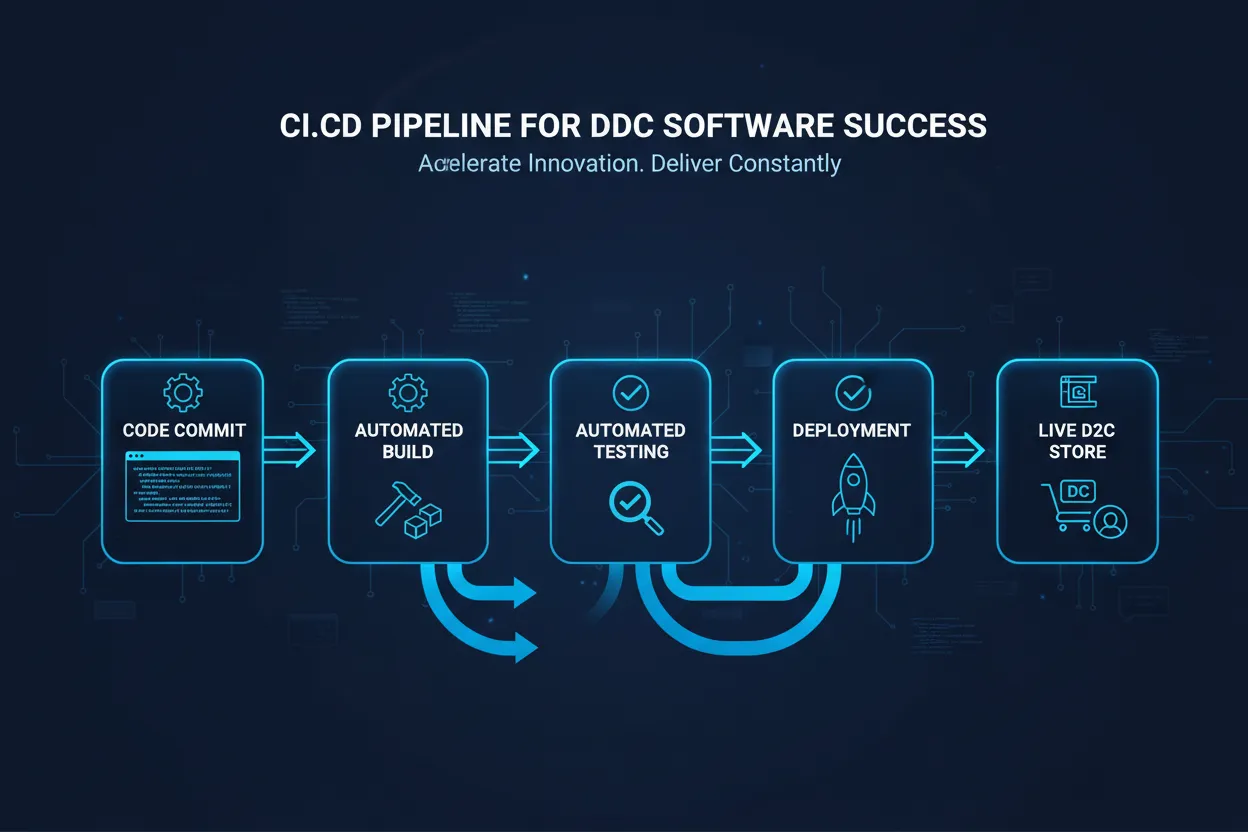
Automated builds and testing aren’t just buzzwords. If you run or build software for a D2C brand, they’re your ticket to moving faster and staying sharp. D2C teams deal with constant code pushes and new features, and you can’t let bugs slow you down. The big question to ask isn’t whether to automate, but which process requires automated builds and testing first so you don’t get stuck. Here’s a hint: the most important processes are the ones that touch your customers every single day. If checkout breaks or a login bug slips in, everyone’s unhappy. That’s where automation, especially smart stuff like what is ai automation testing, jumps in to save the day.
Capgemini’s 2023 World Quality Report says over half of tech teams now automate at least half their tests. Why? It makes releases faster and bugs easier to spot. If your team moves slow or does everything by hand, you risk letting problems through, getting bad reviews, or losing sales at checkout. Today, even small and growing brands use free ai test automation tools to compete with giants. When you look at manual testing vs automation testing, remember: people are great at creative stuff and bots are best at boring, repetitive checks. The right mix is a win for your team and your customers.
This article breaks down how what is ai automation testing drives better testing, shows what is the simplest form of automation, and gives you real ways to automate things that matter. You’ll come away knowing:
- Why CI/CD pipelines need automation to keep up with daily changes
- Where automation saves you the most QA and dev time
- How AI and free tools help small brands do more with less
- How to actually start this quarter, even with a tiny team
Key Takeaways
- CI/CD pipelines depend on automated builds and testing for early bug detection and faster releases.
- Automation testing cuts regression testing time by up to 75%, speeding up launches.
- Manual testing is best for exploratory and usability feedback. Automation keeps regression testing consistent.
- AI-powered test automation boosts testing stability and predicts high-risk code areas, improving efficiency by 40%.
- Free AI test automation tools give small D2C brands a cost-effective edge in test coverage.
- Automated builds cut developer time by up to 30% by reducing repetitive manual work.
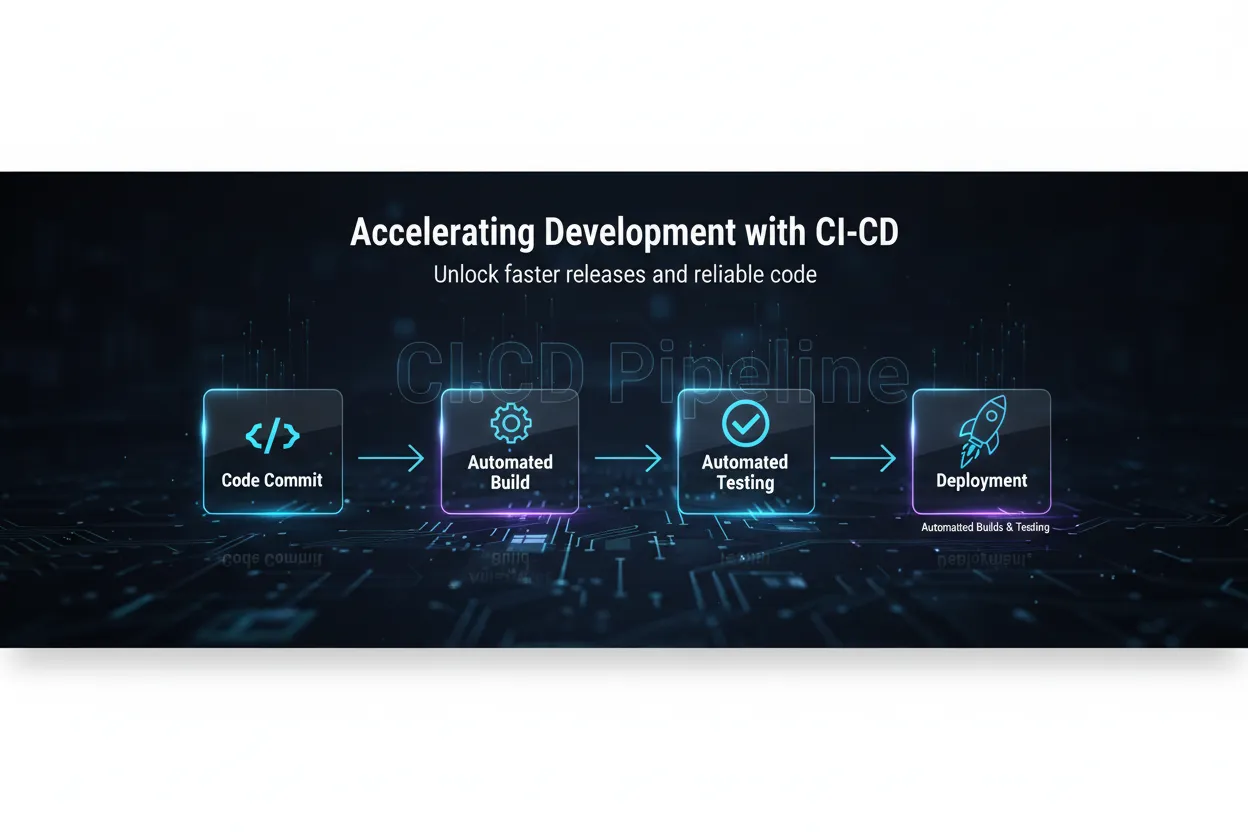
Which Process Requires Automated Builds and Testing in CI/CD Pipelines
Role of CI/CD in Modern Software Development
CI/CD is the engine behind fast updates. As a D2C brand, you need every code change to go live quickly and safely. Every tweak, every feature, and every bug fix flows through these pipelines. That's why knowing which process requires automated builds and testing is a must. When you automate your builds and tests, you fix problems before they hit your customers. This is where what is ai automation testing really shines—AI can spot risky code faster than any human can. And if you're just getting started, what is the simplest form of automation is often best: use basic scripts to handle repeated build steps.
When teams rely on automated builds, they don’t get stuck with broken releases. The JetBrains survey found automation saves devs about 30% of their time. That’s time you can use to build new features or smash annoying bugs. And with manual testing vs automation testing, automation takes the boring stuff so your team focuses on what matters most.
Impact of Automated Builds and Testing in CI/CD
Automated builds and tests let you catch bugs early, sometimes before you even see them in a browser. When every code change gets tested right away, problems are fixed within hours, not weeks. This is one big reason teams use free ai test automation tools. They want to deliver fast without breaking things. And if you compare manual testing vs automation testing, you’ll see automation finds the technical bugs, while manual testers find those tricky edge cases.
One apparel brand switched to automated builds and testing and saw releases move from weeks to just a couple of days. Plus, way fewer bugs hit their shoppers. So, when you want to ship fast and beat the competition, automation in your CI/CD is the only way. Worth remembering: automation isn’t about replacing people—it’s about helping your team do more with less stress.
Comparing Manual Testing vs Automation Testing in Software Development
Strengths of Manual Testing in D2C Software Quality
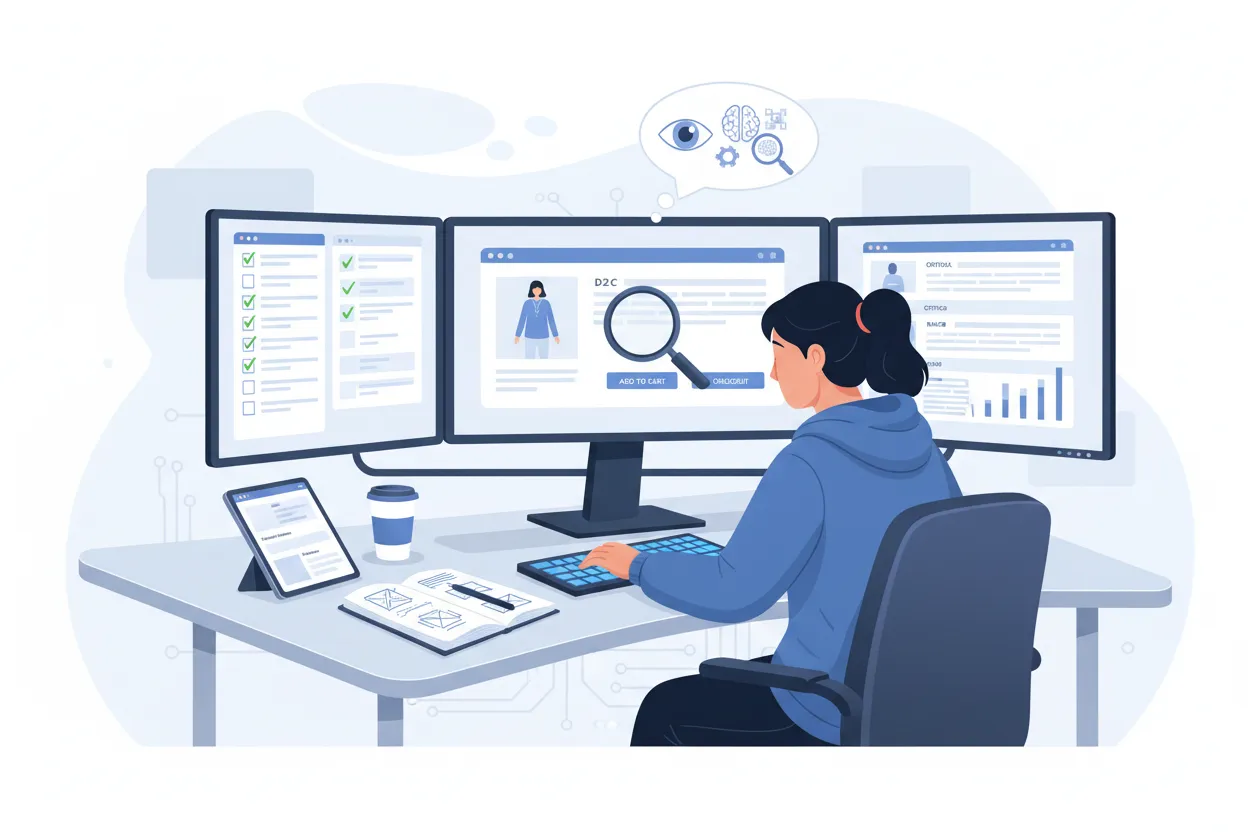
Manual testing is still super important. If you want to know what your real customers will see and feel, you need humans in the loop. Manual testers are best for checking new designs, user flows, and those weird bugs that happen only when you try something unusual. Even if you’re using what is ai automation testing or what is the simplest form of automation, people still catch things bots miss. That’s why leading D2C brands rely on manual testing vs automation testing, not just one or the other.
If your team is trying out a new checkout or testing fresh design tweaks, manual QA uncovers those surprises automation just can’t “see”. Automation is great for routine stuff, but real feedback still needs a human touch. Bottom line: if it’s customer-facing, make sure someone actually tries it by hand too.
Advantages of Automation Testing for Repetitive Tasks
Automation is perfect for things you check again and again, like login, cart, or payment flows. The best part? Free ai test automation tools let you set these up so they run every time you release. This frees up your testers for the fun parts. Using what is the simplest form of automation—like “record and playback”—means you don’t even need to write scripts at first.
Teams save massive time—up to 75% less regression testing, according to PractiTest—by letting machines do the boring work. What is ai automation testing makes this even better, as AI spots risky changes and keeps tests unbroken. Bottom line: use automation for repeatable, stable stuff, and manual for the creative feedback.
Checklist: Should You Automate This Test?
- The test runs every release cycle or sprint
- Inputs and expected results don’t change much
- Failures block critical user journeys (checkout, sign-up)
- Test execution takes up hours of manual QA time
- There’s potential for human error to slip in
What Is the Simplest Form of Automation in Software Testing
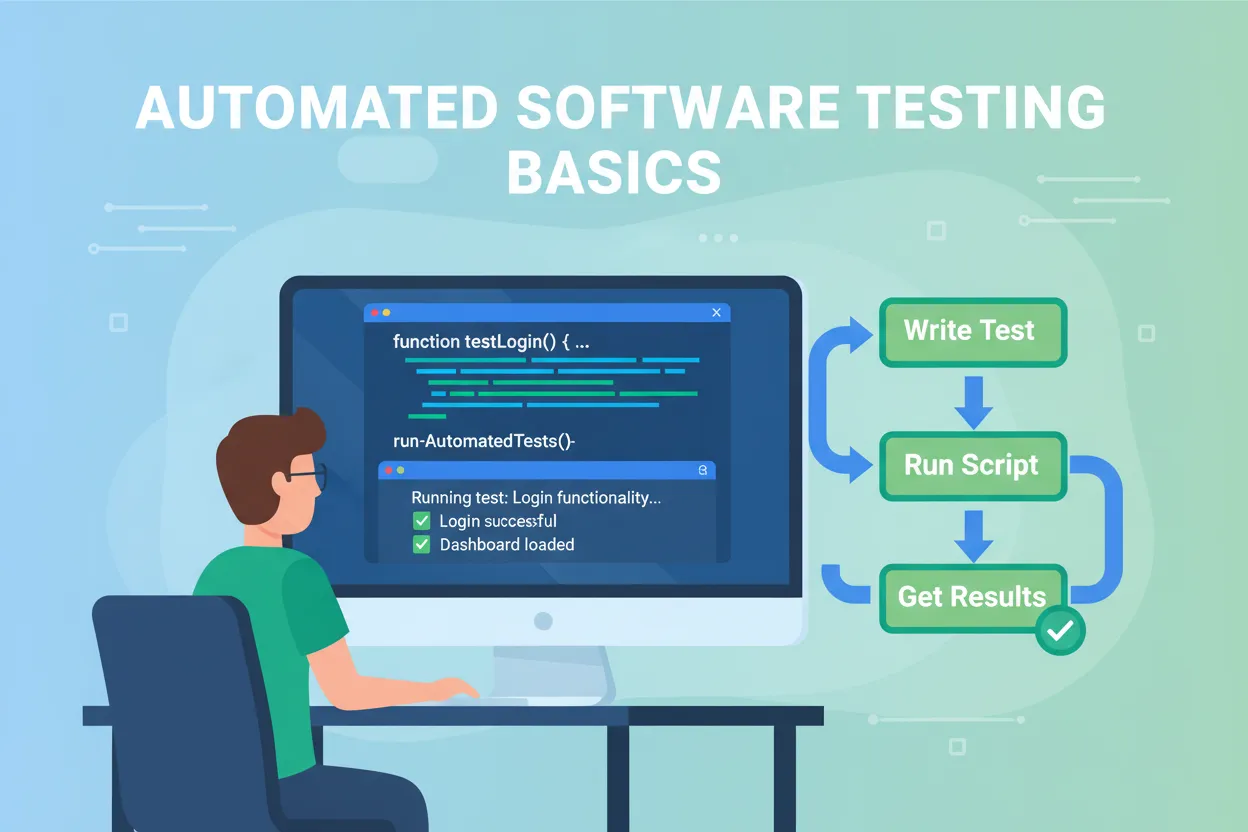
Introduction to Script-Based and Record-and-Playback Automation
If you’ve never tried automation, start easy. What is the simplest form of automation? It’s usually recording your clicks and page actions, and letting the tool play them back for you. Tools like Selenium IDE do this well—no coding needed. This basic approach is awesome for login tests, filling out forms, or checking if a page loads. Want to take it up a notch? Some tools now include ai automation testing that learns as you go and fixes simple issues for you.
If you’re a small D2C brand, these simple tools help you keep costs down and let one tester cover a ton of checks. Don’t worry if it’s not perfect—just getting started with record-and-playback is a win. As your team grows, you can switch to more advanced automation.
Benefits and Limitations of Basic Automation Techniques
Simple automation takes boring work off your plate. Your QA team builds a script once and uses it for every new build. That means fewer missed steps and faster test cycles. But there’s a catch: if your website changes a lot, scripts can break and need fixing. About 64% of companies find maintaining scripts the hardest part, especially as they grow.
Here’s where AI helps again. What is ai automation testing can fix scripts when your UI tweaks, thanks to self-healing tools. Add in free ai test automation tools and you’ll keep your automation running smoother for longer. Bottom line: start with simple tools, and as your codebase gets bigger, bring in smarter automation to handle the bumps.
How AI Automation Testing and Free Tools Transform QA for D2C Brands
Benefits of AI Automation Testing in QA
AI is changing the way teams do automation for good. What is ai automation testing? It’s when bots not only run your scripts but also learn which areas are most risky. These bots can even fix broken test scripts on their own. That means fewer late-night bug hunts and more time for building features. Tricentis research saw teams with AI automation test 40% faster and fix bugs sooner.
The biggest pain in automation is fixing scripts after a UI tweak. AI-powered “self-healing” means the tool updates scripts when buttons or fields move around. For D2C brands pushing new features weekly, this is a lifesaver. Even if you’re just starting, using free ai test automation tools with AI built in keeps your team moving fast.
Top Free AI Test Automation Tools for Small D2C Brands
If you’re on a budget, there are still great tools out there. Look at Testim, Katalon Studio, or Selenium with the right plugins—these are all free or have decent free versions. They help you run tests on many devices at once, which is a game-changer for e-commerce. Don’t worry if you’re new to this. These tools often support the simplest form of automation, so you don’t need to be a coding pro to start.
Lots of brands start small and grow their automation over time. AI features in these free tools “self-heal” scripts, so you spend less time fixing and more time launching. If you’re unsure where to begin, choose a tool with a strong community. That way, you’ll get help whenever you’re stuck. Worth remembering: you don’t need a big budget or big team to get real value from automation today.
Automate to Accelerate D2C Success
Automated builds and testing let D2C brands release faster, with fewer bugs, and more confidence. You save time, money, and headaches by using the right mix of ai automation testing and manual checks. Automation means you’ve got more hours for creative work, not just routine checks. Your customers get the best experience and your team avoids last-minute fire drills. If you need help setting up smart automation—AI-powered or the simplest kind—reach out to Mommantum. We help D2C brands set up reliable, fast QA so you can focus on growing, not just testing. Bottom line: a little bit of the right automation goes a long way for your brand.
Frequently Asked Questions
What process requires automated builds and testing the most?
CI/CD pipelines need automated builds and testing the most. Every code change—tiny or big—should flow through automated checks before it hits your customers. That way, bugs get caught early, releases happen faster, and the team isn’t bogged down by manual, repetitive work. Automation here is your best friend for both speed and safety, and it makes a huge difference compared to only relying on manual testing vs automation testing.
How does automation testing differ from manual testing in D2C software?
Manual testing is about real people checking the customer journey, finding things a bot can miss, and giving feedback on the user experience. Automation testing is great for running big batches of repetitive tests—like logging in, adding to cart, or checking payments—so humans can focus on the creative stuff. If you want to know more, check out this guide on manual testing vs automation testing.
What is AI automation testing?
AI automation testing uses smart software that not only runs tests but also learns from your app. It predicts which features are likely to break, creates new tests for risky changes, and even fixes scripts if your UI changes. If you want fast, reliable QA, what is ai automation testing is the next-level upgrade for your team.
What is the simplest form of automation someone can start with?
The easiest way to begin is using record-and-playback tools. You click through your app, and the tool remembers your steps to replay them later. This is the simplest automation—no coding needed. For a step-by-step guide, see our post on what is the simplest form of automation.
Are there free AI test automation tools for startups?
Yes, absolutely! You can use Testim, Katalon Studio, or Selenium with AI add-ons for free or with a solid free tier. They let you run lots of tests quickly, even on different devices, and many include “self-healing” AI features. Explore more about free ai test automation tools that are perfect for D2C startups.
How much time can automated builds actually save?
Automated builds can save devs up to 30% of their time every week. Instead of doing the same manual steps and making mistakes, automation handles compiling, testing, and packaging. That means more time for fixing bugs or building new features. If you ask anyone who’s made the switch, they won’t want to go back!
What’s the main challenge with automation testing in D2C?
Keeping your test scripts working as your app changes is the biggest headache. Buttons move, workflows change, and suddenly your scripts break. About 64% of companies say this is their main pain. AI automation testing tools help by fixing scripts automatically, so your team isn’t always chasing bugs in the QA process.
Can automation handle testing across different devices and browsers?
For sure. The best automation tools, especially with AI, run tests on lots of browsers and devices at once. This means your D2C site will look and work the same everywhere—on any screen. It’s super important if you want happy users across all platforms, and if you want to scale without hiring a huge QA team.