Workflow automation is changing how direct-to-consumer (D2C) brands and tech teams get things done, from handling orders to rolling out new software versions. As D2C brands face more competition and higher customer expectations, automating repetitive steps keeps businesses efficient and employees focused on growth. With tools powered by artificial intelligence, it's easier than ever to move from manual tasks to reliable automation—even without coding expertise.
Surprisingly, Gartner reported that 70% of companies using AI automation testing found a 40% drop in defects going live. At the core, what is the simplest form of automation? It's rule-based process automation—think simple software robots handling scheduled, repetitive jobs based on clear rules, not machine learning. From start-ups to retail giants, adopting these basics often sparks interest in more advanced solutions like free ai test automation tools, comparison studies like manual testing vs automation testing, or even investigating which process requires automated builds and testing.
By the end of this blog, you'll understand: the simplest form of workflow automation and its real impact on business performance; the difference between manual and automation testing in modern QA; why CI/CD pipelines need automated testing; how AI-driven automation testing is changing workflows; and where you can start for free. This is exactly what we help D2C brands with at Mommantum—making your systems smarter, faster, and more reliable.
Key Takeaways
- Rule-based process automation can cut manual effort by up to 30% for D2C brands
- Automation testing speeds up regression cycles by as much as 90% over manual testing
- CI/CD pipelines rely on automated builds and tests for code quality and rapid deployment
- AI automation testing boosts accuracy and reduces maintenance for QA teams
- Free AI test automation tools like Selenium and Katalon empower cost-effective testing
- Smart workflow automation raises productivity and reduces order errors drastically
Exploring What Is the Simplest Form of Automation with RPA
Defining Rule-Based Process Automation
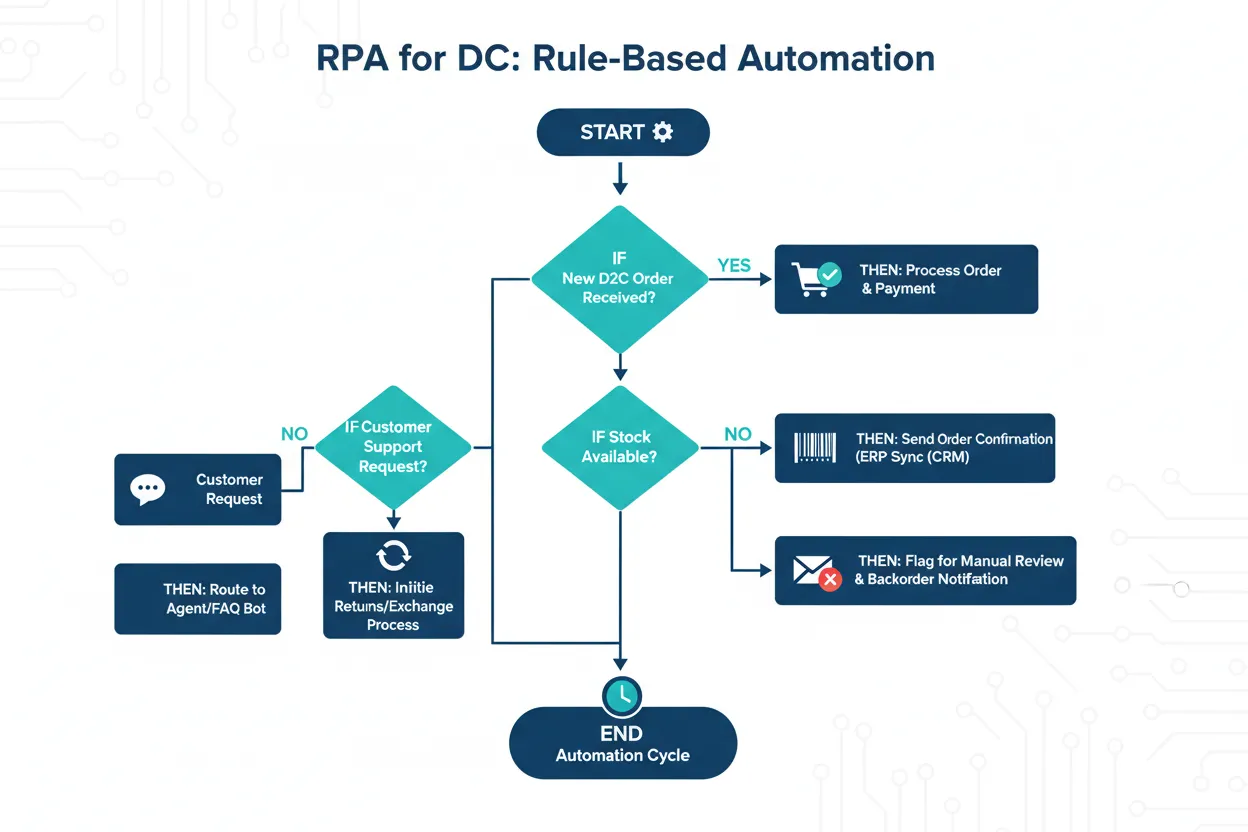
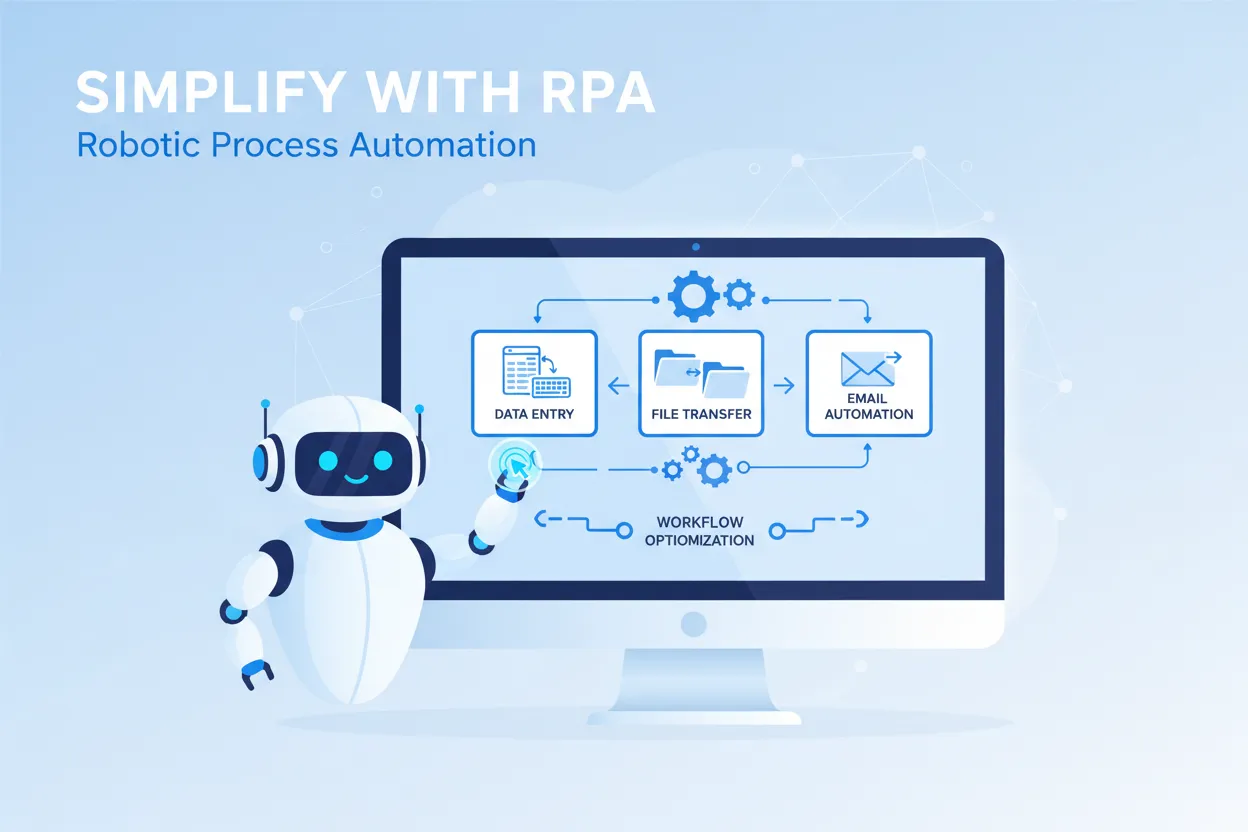
The heart of simple workflow automation sits with rule-based process automation (RPA). This method uses fixed sets of instructions—often following 'if this, then that' routines—to handle high-volume, repetitive tasks without any guesswork. For example, think of a software bot that copies order details from one app and pastes them into another, following fixed business rules every time.
Forrester research has found that adding basic RPA can quickly reduce manual effort by up to 30%. What's more, 64% of companies said they choose low code or no code RPA platforms to get started, since they don't require a developer for setup or management. That means D2C brands can automate stock checks, notifications, or even customer updates in days, not months.
Impact of Simple Automation on Business Efficiency
Companies aren't just saving time. They're actually reducing operational costs by around 20% on average, according to Deloitte's 2023 survey of midsized firms adopting workflow automation. Forward-thinking D2C businesses have seen a 25% rise in customer satisfaction alongside up to 35% fewer order fulfillment errors (Mulesoft, 2023).
Consider a D2C apparel brand that's updated its inventory system with rule-based bots. They reported 35% fewer errors and faster order processing because no one's copying data by hand anymore. Simple, rules-driven automation doesn't just speed things up—it protects your reputation and bottom line.
Comparing Manual Testing vs Automation Testing in Real Workflows
Speed and Accuracy Benefits of Automation Testing
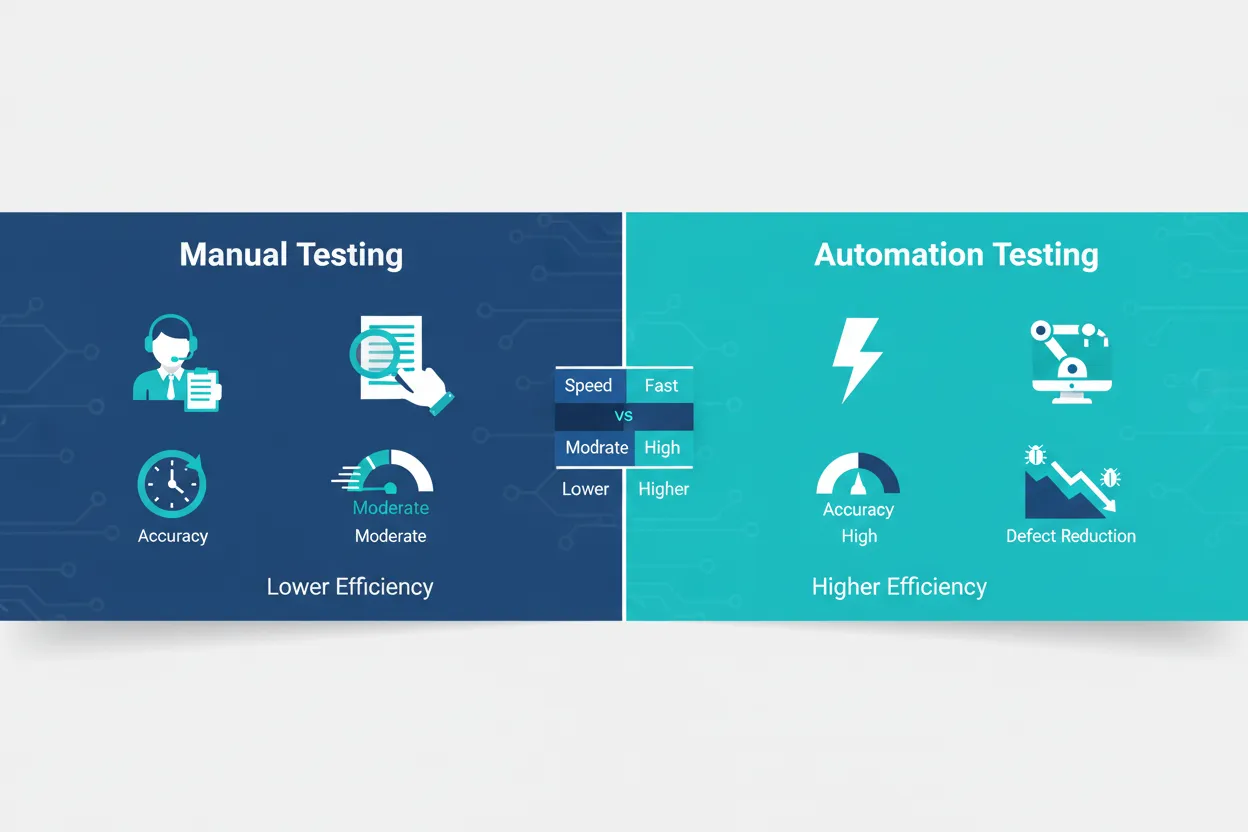
Automation testing is transforming how teams validate software changes. Studies by Testlio show that regression cycles—repeat checks after updates—are finished 60% to 90% faster using automation versus manual work. On top, organizations using AI-powered test automation saw a 40% reduction in bug leaks to production (Gartner, 2023).
The accuracy isn't just about speed. Sauce Labs' 2023 study found that AI-enabled test frameworks cut script maintenance effort by 40%. That means testers spend less time fixing broken tests and more time on actual quality.
The Ongoing Role of Manual Testing in QA
Even as automation grows, manual testing still holds a critical spot. Tricentis' 2023 survey says 56% of QA teams still depend on manual tests, especially for usability checks and exploratory testing—areas where human intuition matters. Automated scripts can miss subtle design flaws or user experience bugs.
For example, an ecommerce company used AI-driven automation to clean up release cycles, slicing post-go-live bugs by 35%. But their QA team always adds a manual step for usability feedback before launch. The key is balance: automate the repeatable, but let humans handle the creative and nuanced checks.
Checklist: When to Automate vs. Goes Manual?
- Automate large regression suites
- Keep usability and exploratory testing manual
- Use AI where data is rich and patterns can be learned
- Let people test new features for unexpected behavior
Which Process Requires Automated Builds and Testing for Optimal Workflow
Role of CI/CD Pipelines in Automated Testing
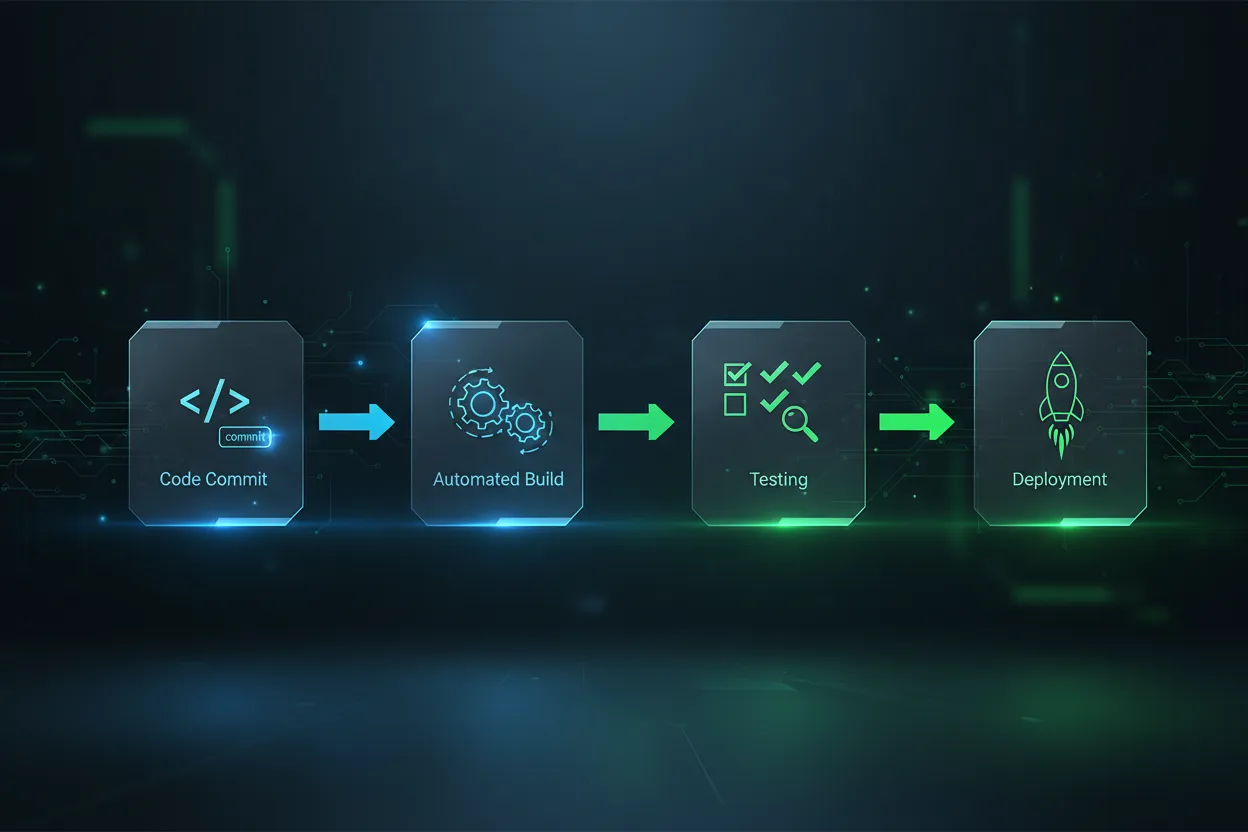
Continuous integration and deployment (CI/CD) pipelines are now the backbone for modern software delivery—especially for D2C brands pushing frequent updates. These pipelines absolutely need automated builds and testing to catch bugs early and keep releases on track. There's no room for manual steps when you're deploying hundreds of times a year.
According to Puppet's 2023 State of DevOps report, over 70% of DevOps teams use Jenkins for automated builds and test runs. With every code change, scripts are triggered to detect errors instantly, allowing teams to fix issues before reaching production.
Adoption and Benefits in Agile Environments
Fast-moving agile teams benefit most from automation. VersionOne's 2023 State of Agile study reported that 82% of agile teams now rely on automated CI/CD to speed up delivery. DZone's research showed integrating automated tests reduces cycle times by 30% to 50%. Think of weeks shaved off from delivery timelines.
A D2C retailer using Jenkins-based CI/CD with automated tests cut deployment errors and improved time-to-market by 33% (McKinsey). The advantage is clear: less waiting, safer releases, and more customer value without tech debt stacking up.
What Is AI Automation Testing and Its Benefits in Workflow Automation
Understanding AI-Powered Automation Testing
AI automation testing works by using machine learning to analyze past test runs, adapt test coverage on the fly, and predict risky parts of your app. Capgemini's 2022 study found that AI-powered tests are up to 50% more accurate. They even spot emerging defects that traditional scripts might miss.
Besides accuracy, Capgemini reported that AI approaches need 40% less upkeep compared to hand-scripted tests. The bots learn, self-correct, and handle software changes—freeing testers for higher-value work.
Market-Leading Free AI Test Automation Tools
Finding your starting point in AI-powered automation testing is easy with tools like Selenium, Katalon Studio, and TestProject. According to recent market data, these free tools together own 45% of the SMB automation market for cost, reliability, and integration with platforms like Slack or Jira.
IDC's study in 2022 found that adding AI-enabled tools into regular workflows increased employee productivity by up to 25%. For example, a D2C skincare brand used TestProject to double test coverage, halve regression time, and boost customer satisfaction. There’s real value in starting with open, integrated solutions.
Simplest automation techniques like rule-based and AI-powered testing drastically reduce manual work and improve accuracy. This leads to faster, more reliable product releases and happier customers. D2C brands and tech teams can greatly benefit from incorporating tested workflow automation strategies into their daily operations. At Mommantum, we provide smart automation solutions designed to scale your workflows efficiently. Explore how we help optimize your automation efforts to stay ahead in the competitive retail landscape. For more, check Mommantum.
Smart workflow automation is not reserved for big enterprise tech players anymore. D2C leaders who understand and adopt these technologies stay ahead by reducing errors, improving efficiency, and delivering better customer experiences. Start simple—map your repetitive processes, automate with rule-based bots, and then add AI when ready. You'll see tangible returns, happier teams, and loyal customers faster than you expect.
Frequently Asked Questions
What is the simplest form of automation and how is it used in D2C workflows?
The simplest form of automation is rule-based process automation (RPA). It works by handling repeat tasks based on set rules, like updating inventory or copying order info. D2C brands use this to speed up fulfillment and reduce errors.
How do free AI test automation tools help small and mid-sized businesses?
Tools like Selenium, Katalon Studio, and TestProject offer powerful automation without upfront costs. SMBs use them for test automation, saving time and money while improving code quality. They’re a great way to start automation before scaling further.
What’s the main difference between manual testing vs automation testing?
With manual testing vs automation testing, automation speeds up regression checks (up to 90% faster) and reduces errors. Manual testing is still best for usability, exploratory, and new feature validation, where human feedback counts.
Which process requires automated builds and testing in CI/CD pipelines?
Continuous integration and deployment relies on automated builds and test runs to catch bugs quickly and keep releases smooth. Learn more about which process requires automated builds and testing in a scalable DevOps pipeline.
What is AI automation testing and how does it improve QA?
What is AI automation testing? It uses machine learning to spot defects, adapt test coverage, and lessen maintenance. The result: fewer bugs released and up to 50% better accuracy for software teams.
Why do many QA teams still use manual testing if automation is better?
While automation speeds up routine checks, manual testing is still needed for UX, new features, and exploratory tests. Tricentis reports over half of QA teams combine both for complete coverage and best results.
How can workflow automation reduce operational costs for D2C businesses?
Rule-based automation and integrated AI testing cut manual work, reduce fulfillment errors, and lower costs by as much as 20%. This helps D2C brands stay competitive while keeping staff focused on strategic tasks.
Do low code automation platforms really help beginners get started?
Yes! About 64% of organizations say low code or no code automation tools are perfect for beginners. They make setting up bots and automated reminders simple without needing technical skills or developer time.