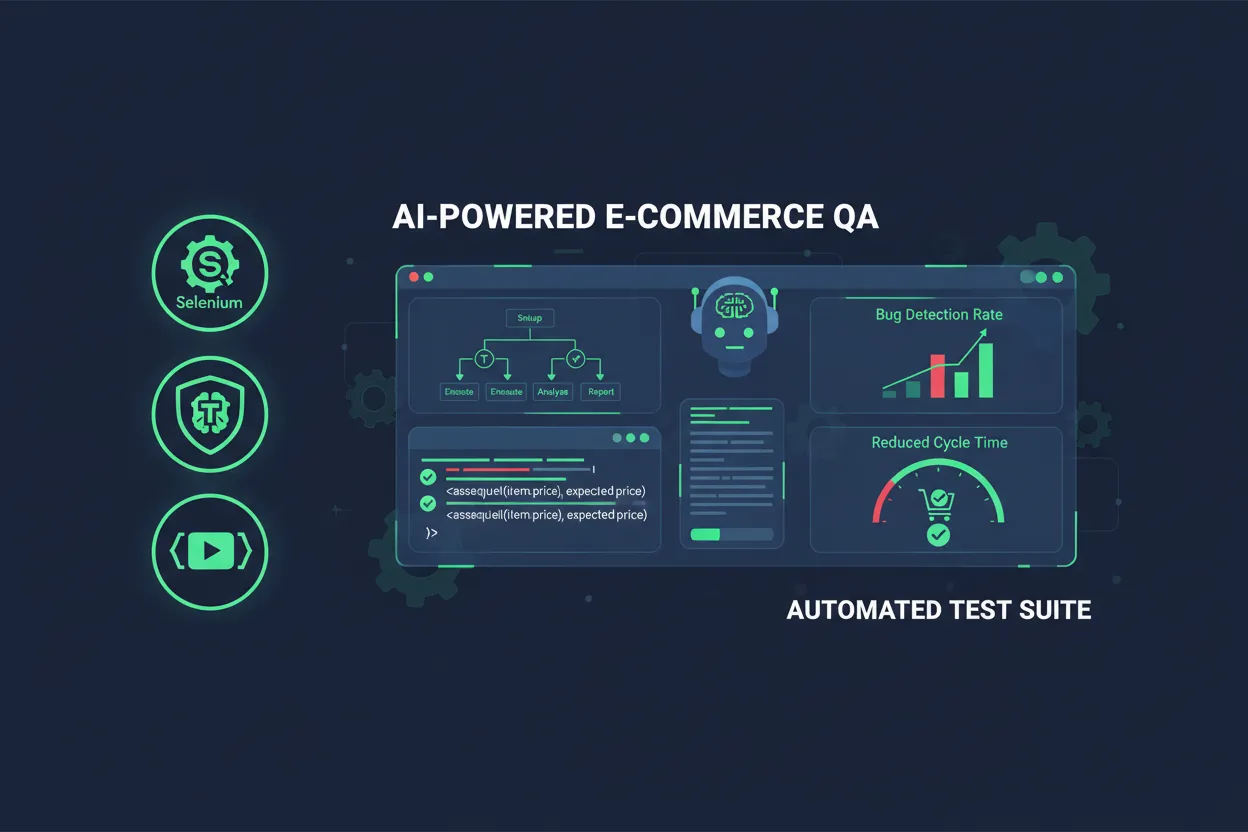
Testing software in D2C and e-commerce used to be slow and full of manual steps, but now free ai test automation tools are a real game changer. A recent report from Test Automation University said AI-powered automation can cut testing cycles by 40% compared to older test frameworks. Deadlines are getting shorter, and teams are under pressure to launch bug-free features fast. So, figuring out manual testing vs automation testing is top of mind for everyone—and budgets are always tight.
Here at Mommantum, we talk to QA teams, developers, and product managers in e-commerce and D2C all the time. They often ask which process requires automated builds and testing, or want a straight-up answer to what is ai automation testing and when it makes sense. In this post, I’ll show how these free AI QA tools work, where AI really shines over manual, how CI/CD fits in, and what is the simplest form of automation you can roll out today.
By the end, here’s what you’ll walk away with:
- Clear take on what today’s best free AI-powered test automation tools can actually do
- How to balance manual testing vs automation testing in a smart way for your QA needs
- Where simple script automation ends and true AI automation starts
- What features actually matter for D2C brands and e-commerce teams going open-source or free
- Simple steps to boost test coverage and relevance with AI-driven test generation
Key Takeaways
- Free AI test automation tools help you slash your test cycles by as much as 40%—real time saved.
- Know when you need manual testing vs automation testing and where AI fits best.
- Automated builds and testing with CI/CD mean you spot bugs earlier and fix them faster.
- The simplest form of automation? Script-based tests, now boosted by AI and natural language processing (NLP).
- AI-generated test cases improve your coverage by keeping up with real user behavior.
- Open-source AI frameworks save you money and let you customize your testing process.
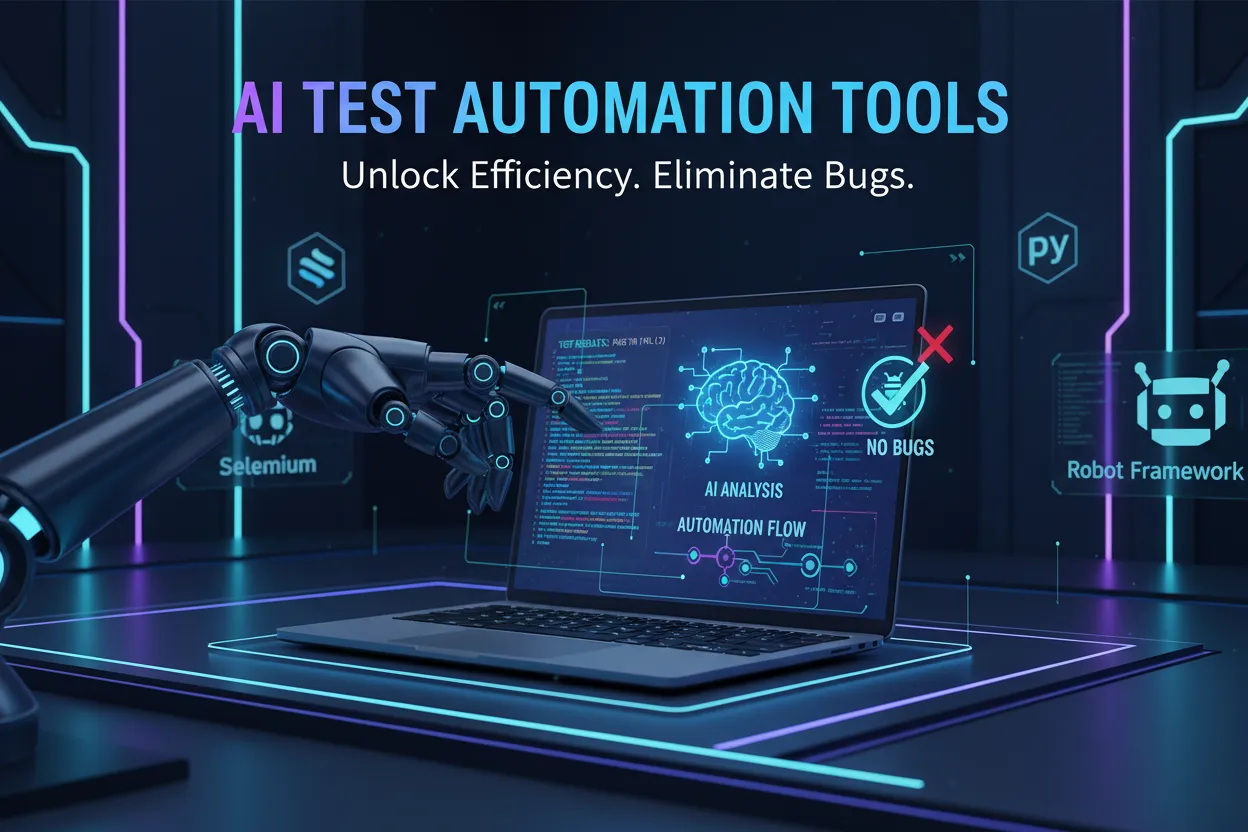
How Free AI Test Automation Tools Enhance Testing Efficiency
Key Features of Popular Free AI Test Automation Tools
The best free ai test automation tools like Testim, Katalon Studio, and Selenium (with some smart AI plugins) are popular with e-commerce QA teams for good reason. They give you scriptless testing, self-healing locators, and let you spot flaky tests using machine learning. Most tools work smoothly with your CI/CD pipeline, so your manual testing vs automation testing struggle gets much easier. When your UI changes, these tools use AI to update scripts, so you don’t have to fix a test every time someone changes a button or color. That’s big for fast-moving teams.
Some tools let you run lots of tests at once in the cloud, connect with version control, and show clear dashboards so you know what’s failing. You can set up regression or smoke tests in just a few hours—no more multi-day setup. If you’re on a budget, these tools give you almost everything you need without making you pay huge license fees. Bottom line: AI automation testing tools let you do way more testing in less time.
Impact on Testing Cycle Time and Cost Reduction
Free AI test automation tools make a real dent in both time and costs. The Test Automation University numbers are clear—QA teams using AI cut their testing cycles by up to 40%, compared to old-school tools like plain Selenium. Forrester’s 2023 research showed teams who switched to AI-driven automation spent 25% less overall on QA. Why? AI fixes flaky tests faster and takes over a lot of manual test work. That means less boredom for testers and fewer hours lost chasing silly bugs.
Think about this: a D2C brand switched to Testim’s free AI features, dropped their manual testing by 70%, and sped up releases by 30%—all without growing their team. In e-commerce, where a release delay can mean lost sales, these savings really matter. Worth remembering: automation testing wins on speed and savings, especially when you add AI to the mix.
Understanding Manual Testing vs Automation Testing with AI
Roles of Manual and AI Automation Testing in QA
Manual testing is your go-to when you’re testing brand new features, checking what’s easy or hard for actual users, or just poking around to see what breaks. It’s perfect when the human eye matters—like checking design or running exploratory QA. But when you’re running the same regression checks over and over, or stress-testing for loads of users, automation testing is way better. AI makes this even smarter by generating tests for you, spotting flaky scripts, and keeping up with app changes. The real win is that you can focus your manual time on the stuff that needs thinking, while AI turns repetitive tests into a background job. Manual testing vs automation testing is all about finding that balance.
Remember: you need both. Manual is irreplaceable for new stuff and user experience. AI-powered automation takes over once things need to work the same, again and again. That’s what is ai automation testing really means in day-to-day QA.
When Which Process Requires Automated Builds and Testing Become Essential
If you’re shipping code every day or every week, automated builds and testing become non-negotiable. CI/CD only works if tests run automatically for every code push. D2C brands doing regular launches rely on this. You don’t want to break your checkout flow before Black Friday! Capgemini’s 2024 study said over half of companies plan to invest more in AI-powered automation just to tighten up these release cycles. It answers which process requires automated builds and testing—deploying fast, with fewer bugs.
Here’s a real example: a big e-commerce player added AI-driven tests to their build pipeline and saw 35% fewer bugs reach customers. That’s less time spent fixing issues, and more time releasing new features. Bottom line: a good mix of manual testing vs automation testing, with strong builds, is essential for modern QA teams.
What Is AI Automation Testing and Its Simplest Forms Explained
Core Concepts of AI-Powered Automation Testing
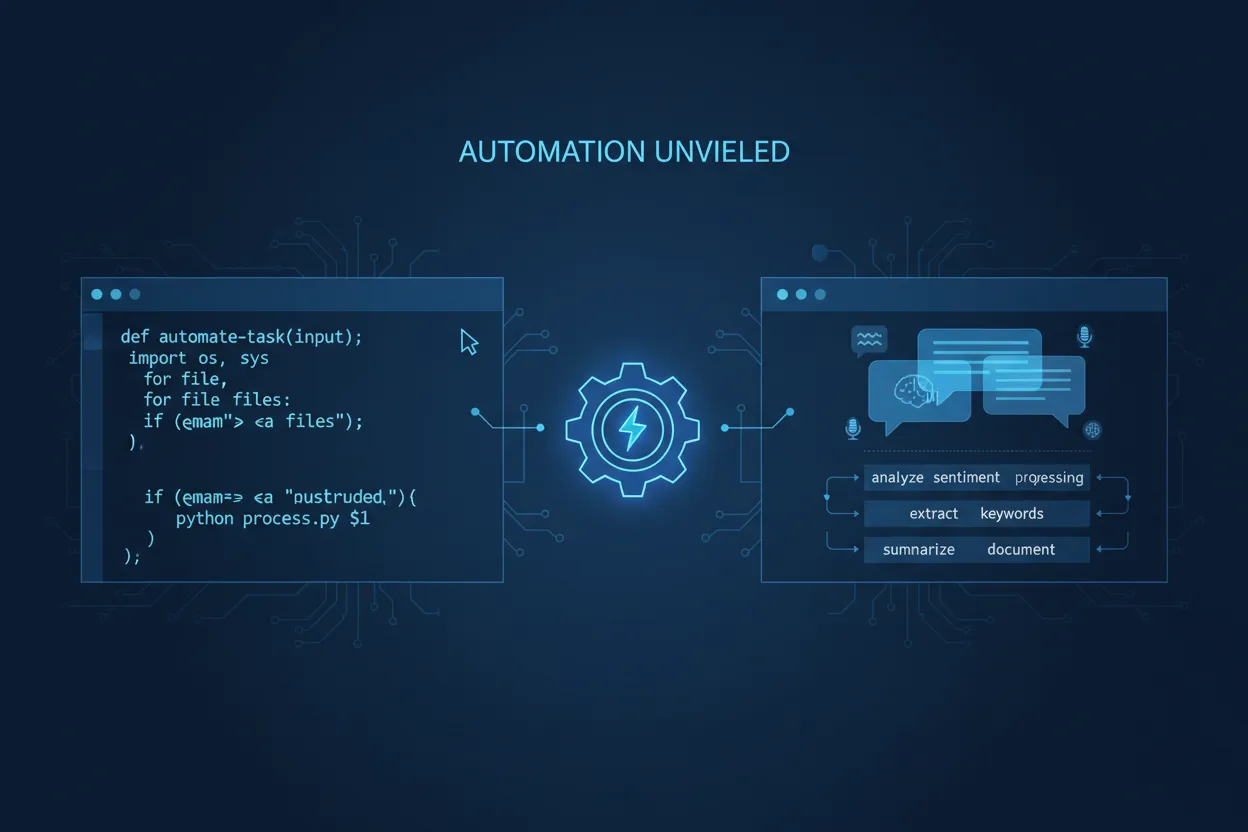
AI automation testing is about using algorithms and machine learning to work smarter, not harder. These tools check code changes, pick which tests to run automatically, and even create new tests when needed. Unlike manual testing vs automation testing with older tools, AI doesn’t just run scripts blindly; it looks at what changed, what’s likely to break, and reorganizes the test run. Gartner says by 2025, 80% of test automation projects will use AI or ML because of these perks.
AI’s real magic is in defect detection. It learns from previous failures, keeps your test scripts updated, and makes your suite better after every run. IEEE Software found that AI can spot flaky tests with 85% accuracy. So, if you’re wondering what is ai automation testing in practice, it’s about making testing smarter and less of a grind. Worth remembering: AI keeps your QA suite sharp as your product changes.
Simplest Forms: What is the Simplest Form of Automation — Script-Based and NLP-Driven Automation
The very first step in automating tests is just writing scripts—basic instructions that repeat manual steps for you. Even now, most QA teams start by automating login or shopping cart flows this way. While this isn’t “smart” AI, it saves a ton of time and is the simplest form of automation. But now, AI tools are taking it up a notch. They “self-heal,” updating scripts if your page changes, so you don’t have to chase every little tweak.
What’s really cool now is the rise of NLP-driven testing. That means you can write “Check that discount codes work for all users,” and the AI turns it into a test script. Suddenly, even folks who aren’t coders can automate. This bridges the gap in manual testing vs automation testing and lets teams scale way faster. Bottom line: start simple with scripts, then add NLP and AI as your team grows.
Quick Checklist: Simplest AI Automation Forms You Can Use
- Script-based tests for basic flows like login or checkout
- AI that updates test scripts when your UI changes (auto “self-healing”)
- NLP tools that turn plain English steps into test scripts
- AI watching user behavior to suggest new test cases

Choosing the Right Free AI Test Automation Tools for E-commerce and D2C Brands
Evaluating Tool Features for E-commerce QA Needs
If you’re picking a test automation tool, ask if it fits your stack and solves your pain points. Do you need to test JavaScript-heavy web apps, mobile flows, or APIs? Look for features like smooth CI/CD integration, flaky test detection (AI helps here), and the ability to generate tests from user behavior. These are especially important for e-commerce and D2C brands that deal with loads of UI changes and new campaigns all the time. Knowing when to switch from manual testing vs automation testing can help you save hours every week.
With the AI test automation market set to hit $3 billion by 2028, there’s never been a better time to go free or open-source. Why pay for a fancy suite if simple, free ai test automation tools cover your needs? Smart teams make that switch—and use the savings to move faster. Bottom line: automation testing doesn’t have to be expensive to be effective.
Leveraging Open-Source AI Frameworks for Customization
Open-source AI frameworks let you tweak as much as you want, join a lively community, and add plugins when you need extra features. That’s perfect for startups or fast-growing brands who want power but hate big price tags. If you have special business flows or unique customer journeys, you can build your own plugins and keep things flexible. This is part of what makes manual testing vs automation testing less of a headache—open-source lets you do both, your way.
Take this real-world win: a new D2C brand mixed Katalon Studio’s free AI suite with open plugins and scaled their test coverage in months. They onboarded new testers fast and kept up with site changes during a big redesign. Worth remembering: open-source gives you future-proof freedom, but check your team can keep up with updates.
In summary, free AI test automation tools really do make testing faster and cheaper by cutting out manual busywork and repeat cycles. Plugging AI-powered tools into your workflow lets you catch bugs sooner and keep up with constant releases—something every e-commerce and D2C brand needs. At Mommantum, we’re always happy to help you pick the right tools and show you the ropes, whether you’re new to automation or just want to make your QA smarter. Let’s chat and get your testing moving!
Frequently Asked Questions
What is the difference between manual testing vs automation testing?
Manual testing is when a person runs test steps by hand, clicking around and exploring for bugs themselves. Automation testing uses scripts and tools to repeat those test steps for you. Automation, especially with AI, is great for regression and checks you run over and over. Manual testing shines when you need to see how a real user feels or spot design issues. So, manual testing vs automation testing isn’t either-or—you need both for good QA.
Which process requires automated builds and testing in a CI/CD pipeline?
Teams using CI/CD pipelines rely on automated builds and testing so every code change triggers tests right away. This makes sure new code doesn’t break anything before it goes live. If you’re pushing updates often, automated builds and tests are a must. It’s how D2C brands deliver faster without risking bugs. You’ll find more details about which process requires automated builds and testing in our linked post.
How do free AI test automation tools improve QA for e-commerce brands?
AI test automation tools spot unreliable tests, create smarter test cases automatically, and keep up with UI changes. In e-commerce, where layouts or products change a lot, these tools update tests so you don’t have to. That means less time fixing scripts and more confident launches. They bridge the gap between manual testing vs automation testing by handling the boring, repetitive jobs for you.
What is AI automation testing in plain words?
What is ai automation testing? It’s using artificial intelligence to decide which tests matter, catch tricky bugs, and build new tests for you. AI learns from past test failures, ranks what’s risky, and updates tests as you go. It makes your QA process faster and less stressful.
What is the simplest form of automation in QA?
The simplest form is writing test scripts that repeat the same manual steps—like login, add to cart, or check out. Some tools now let you type plain English (“Test guest login works”) and AI builds the script. That saves you tons of time. We explain more on what is the simplest form of automation in our linked resource.
Are open-source AI test automation frameworks reliable for scaling QA?
Absolutely. Open-source AI frameworks are stable, widely used, and get regular updates from global communities. They’re a great way to scale as your e-commerce or D2C business grows—without getting stuck with high costs. Just be sure your team can handle updates and keep an eye on plugin changes for smooth running.
Do these free tools work for mobile, web, and APIs?
Yes, most free AI test automation tools cover web, mobile, and APIs. Tools like Katalon and Selenium work for web and some mobile, while Appium is a top choice for mobile tests. Always check if the tool supports your must-have flows and offers key features like easy CI/CD integration and AI-based maintenance. That’s how you keep your manual testing vs automation testing workflow running smooth.
How does AI spot flaky or unreliable tests?
AI checks your test run history to find tests that sometimes pass and sometimes fail for no good reason. These are called flaky tests. The AI learns these patterns and flags them for you, so you don’t lose time guessing what’s wrong. Recent research says AI finds flakiness more accurately than rule-based tools, which helps you fix problems fast.